Which area rents out faster?
Costa del Este usually places family units sooner thanks to steady corporate demand. Punta Pacífica can reach higher rents, but with more turnover and vacancy between tenants.
Neighbourhoods
Diana Gonzalez — Real estate broker, License PJ 1489 · PN 5600
· 8 min
This is the question we field most often from buyers who have already decided to invest in Panama City and only need to choose where. Costa del Este and Punta Pacífica compete for the same upper-segment buyer, yet they are very different urban products. There is no absolute winner — there is a right answer depending on what you intend to do with the property. This comparison is built on our own inventory and the deals we actually close.
Costa del Este was built as a planned development from zero, on reclaimed land, with a master plan that fixed street widths, zoning, green areas and the separation of residential, corporate and retail uses. The result is unusual in Latin America: real sidewalks, buried utilities, schools and offices inside the same urban fabric, and a sense of order you notice on foot.
Punta Pacífica is the opposite by origin: intensive vertical growth on a peninsula facing the Pacific, with signature towers, branded hospitality and a reference hospital within a very short radius. It is denser, more urban and far more spectacular in views. It is also less uniform: quality varies substantially from tower to tower, and the gap between a well-run building and a poorly run one is enormous.
In Costa del Este the typical resident is a family — local or expatriate — or an executive with children who values nearby schools, easy parking and neighbourhood life. Buildings hold more three- and four-bedroom units, and the amenity areas are designed with children in mind.
In Punta Pacífica the profile tilts toward executives without children or with grown children, expatriates on short assignments, international investors and second-home buyers. Two- and three-bedroom units dominate, and a high share of owners are not there year-round.
Broadly, and subject to the specific tower, Costa del Este delivers more square metres per dollar while Punta Pacífica charges a premium for the view and the waterfront address. The same budget typically converts into a generous family apartment in Costa del Este or a more compact unit with an open ocean view in Punta Pacífica.
| Criterion | Costa del Este | Punta Pacífica |
|---|---|---|
| Dominant product | Family towers, 3–4 bed | Oceanfront towers, 2–3 bed |
| Square metres per dollar | Higher | Lower (view premium) |
| Tenant profile | Corporate and family | Executive and expatriate |
| Lease patterns | Longer, more stable | Shorter, higher turnover |
| Appreciation driver | Master-plan consolidation | Waterfront scarcity |
Qualitative comparison drawn from our own portfolio. Price per square metre varies by tower, floor and view; ask us for current figures on a specific building.
We keep reference price-per-square-metre figures on each area's page, because they move: review Costa del Este and Punta Pacífica before fixing a budget, then check the live catalog to see what is actually available today and at what asking price.
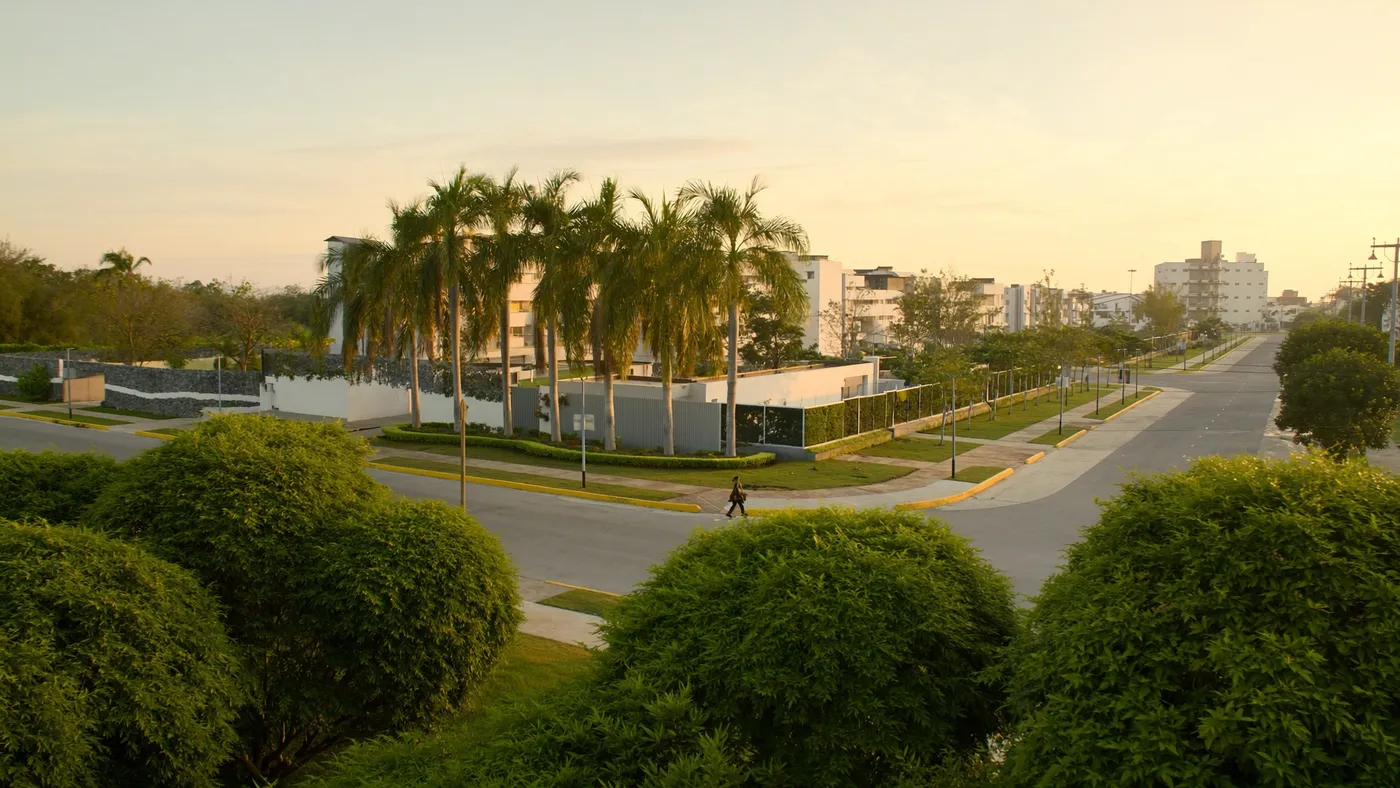
Costa del Este concentrates the regional headquarters of multinationals, and that produces an investor's most valuable asset: the corporate lease. Company as signatory, one- to three-year terms, punctual payment, careful maintenance and frequent renewals when the executive's assignment is extended. The trade-off is that corporate tenants are demanding about the condition of the unit and about response times.
Punta Pacífica runs on executive rentals: high-income individuals, six- to twenty-four-month stays, highly sensitive to the view and to furnishing. Headline rents can be higher, but turnover is greater and vacancy between tenants weighs more on the annual return. There is also more direct competition inside the same tower, which pressures pricing whenever several owners list at once.
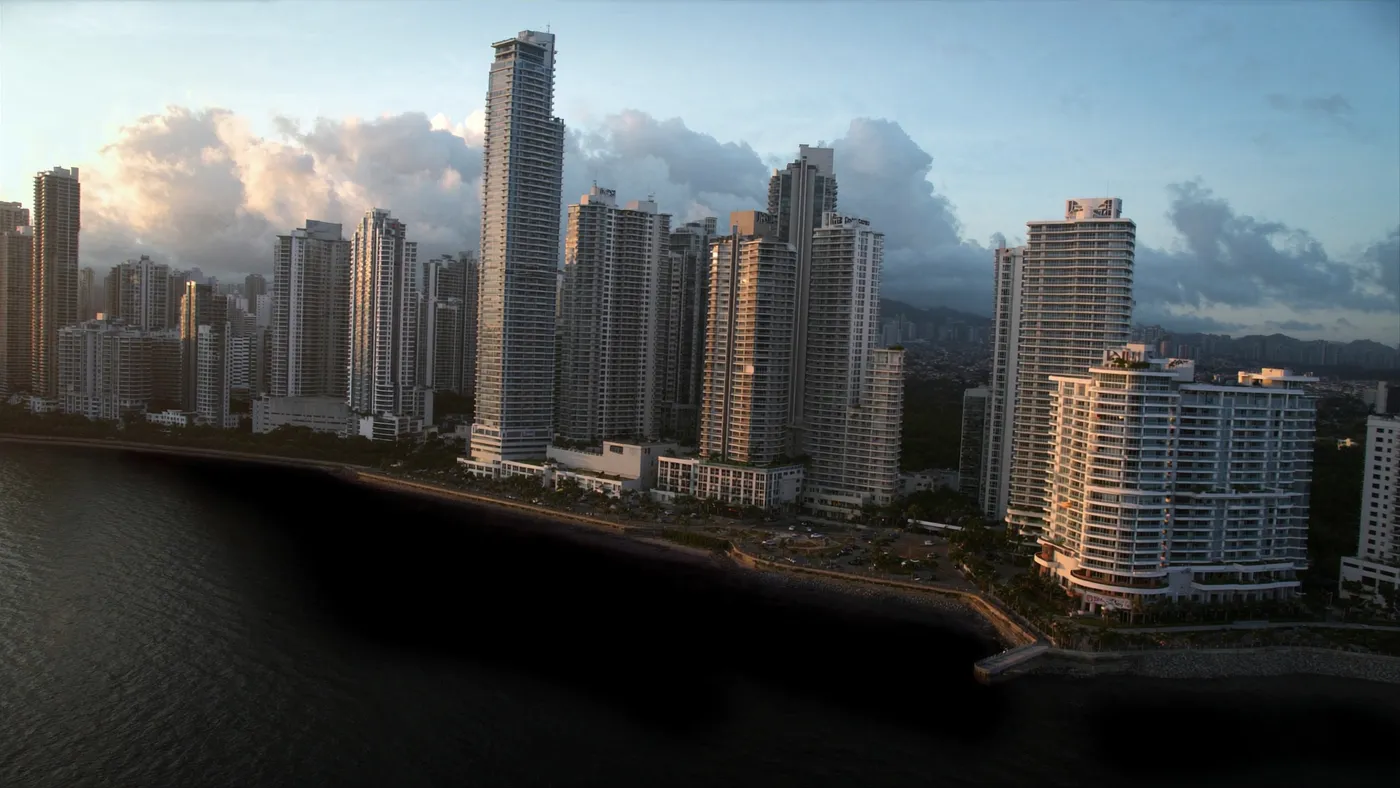
In Costa del Este appreciation has come from consolidation: every school, office or shop that opens adds value to what already exists, and the developable land inside the master plan is finite. In Punta Pacífica the driver is simpler and harder: you cannot manufacture more waterfront. That protects units with a genuine, protected view — but it does not equally protect a unit whose view a neighbouring project could block. Verifying what can be built in front of you is mandatory due diligence in this area.
If you are moving with a family, if you want stable long leases, or if you prefer predictability over spectacle, Costa del Este is the logical choice. If you are buying a second home, if the emotional value of the view weighs on your decision, or if you want a trophy asset with structural scarcity, Punta Pacífica does it better. And if your objective is purely yield, the right answer is not the neighbourhood but the specific tower: two neighbouring buildings can differ by several points of return purely through HOA fees and management quality.
Costa del Este usually places family units sooner thanks to steady corporate demand. Punta Pacífica can reach higher rents, but with more turnover and vacancy between tenants.
Generally Costa del Este. Punta Pacífica charges a premium for the waterfront location and the view.
Costa del Este, thanks to nearby international schools, green areas and a master plan designed around families.
It can happen if the neighbouring lot allows height. Before you buy we verify zoning and what is buildable around the tower.
Tell me your budget and whether you're buying to live, to rent or to hold. I'll prepare a comparison of real units in both areas, with HOA fees and estimated returns.
Message Diana on WhatsApphttps://www.panamarealestate.org/guides/costa-del-este-vs-punta-pacifica-where-to-buy