What does a broker charge in Panama?
The standard commission is 5% of the sale price, payable at closing. With DG Group there is no upfront cost: if it doesn't sell, you owe nothing.
Owners
Diana Gonzalez — Real estate broker, License PJ 1489 · PN 5600
· 8 min
Selling an apartment in Panama is straightforward when the price is right and hard when it isn't. Everything else — photography, portals, the listing copy, the negotiation — matters, but it operates inside the margin the price leaves. This guide is written from the owner's side: which decisions are yours, what we do, and what you should demand from any broker representing you.
The right tool is a comparative market analysis: not what your neighbour is asking, but what has actually sold in your building and in equivalent buildings over recent months, adjusted for floor, view, condition, parking spaces and HOA fee. The gap between asking and closing price is valuable information, and it is what a broker with a real book of business brings to the table.
Overpricing has a specific, measurable cost: the first thirty days are when your listing gets the most attention. Come out high and you burn that momentum, then spend months competing against your own history of reductions. Serious buyers compare by square metre and spot an out-of-range unit immediately. It is better to enter tight and negotiate from strength than to enter high and chase the market down for a year.
Order matters: prepare first, photograph second, publish only then. Publishing with mediocre photos and replacing them two weeks later does not recover the first impression lost on the portals or in the social algorithm.
Having the file ready before an offer arrives speeds up closing and prevents a buyer from losing interest waiting on paperwork. You'll need the deed and finca number, the property-tax clearance certificate, utility clearance certificates, a building certification that HOA dues are current, and your ID or passport. If the property is held by a company, add the articles of incorporation, the Public Registry certification and the resolution authorising the sale. If a mortgage is outstanding, ask the bank for the payoff balance and the release timeline.
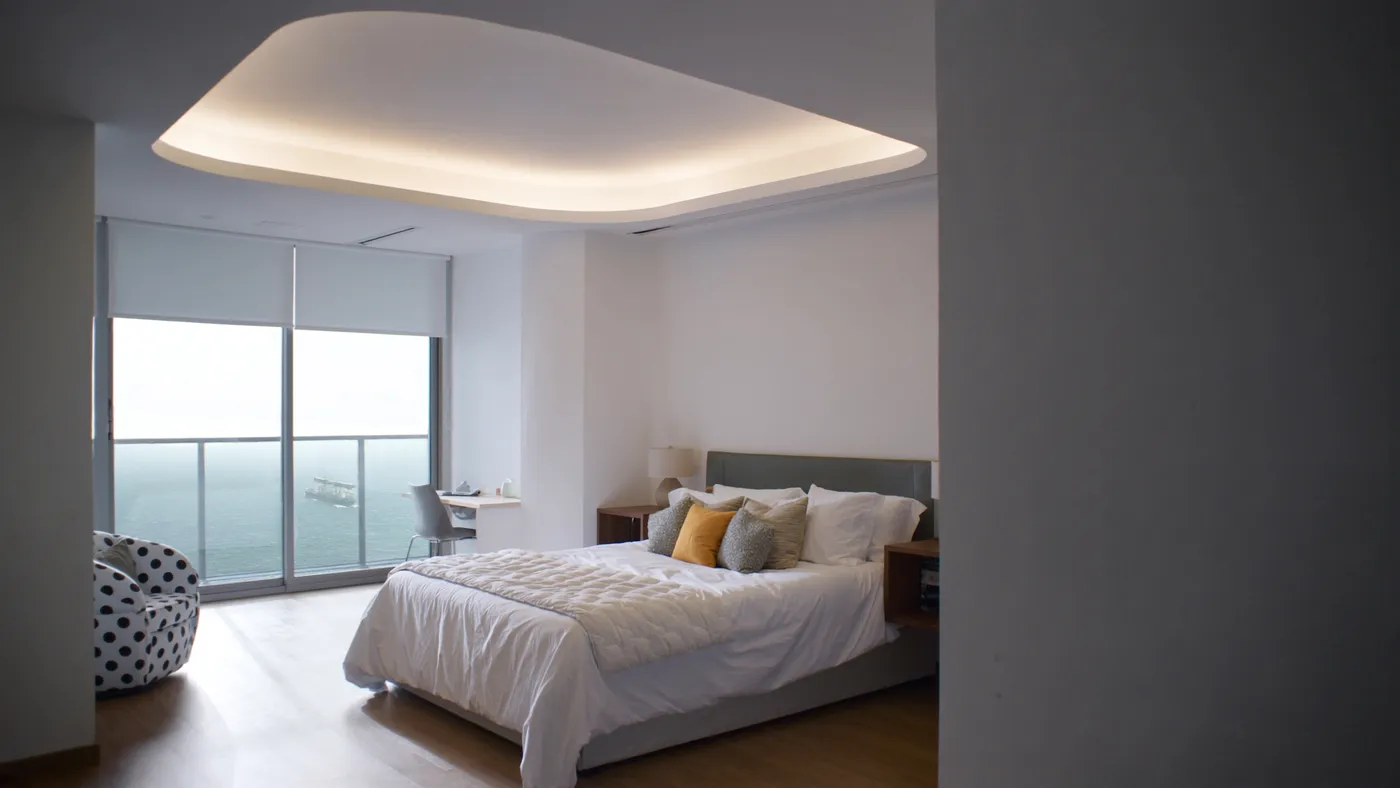
The standard commission in the Panamanian market is 5% of the sale price, payable at closing and deducted from the transaction funds. With DG Group you pay nothing upfront: no photography, no video, no portal listings, no international marketing. If the property doesn't sell, you owe us nothing.
What is worth clarifying in the mandate is whether the commission is shared with the broker who brings the buyer, because a mandate that excludes that cooperation shrinks the universe of buyers who will ever see your property. Our recommendation is always the opposite: the more brokers who can bring a buyer, the better for the seller.
With the right price and clean paperwork, a well-located unit typically finds a buyer within a range of weeks to a few months; legal closing then adds four to eight weeks on a cash deal, or two to three months if the buyer uses a mortgage. Priced above market, the timeline stretches indefinitely — not because buyers don't exist, but because they are buying a comparable unit for less.
Factors that shorten the timeline: a low HOA fee, included parking, a vacant unit or a tenant who can vacate on a certain date, and a live property-tax exemption. Factors that lengthen it: restrictive building rules, HOA arrears, litigation and unusual floor plans.
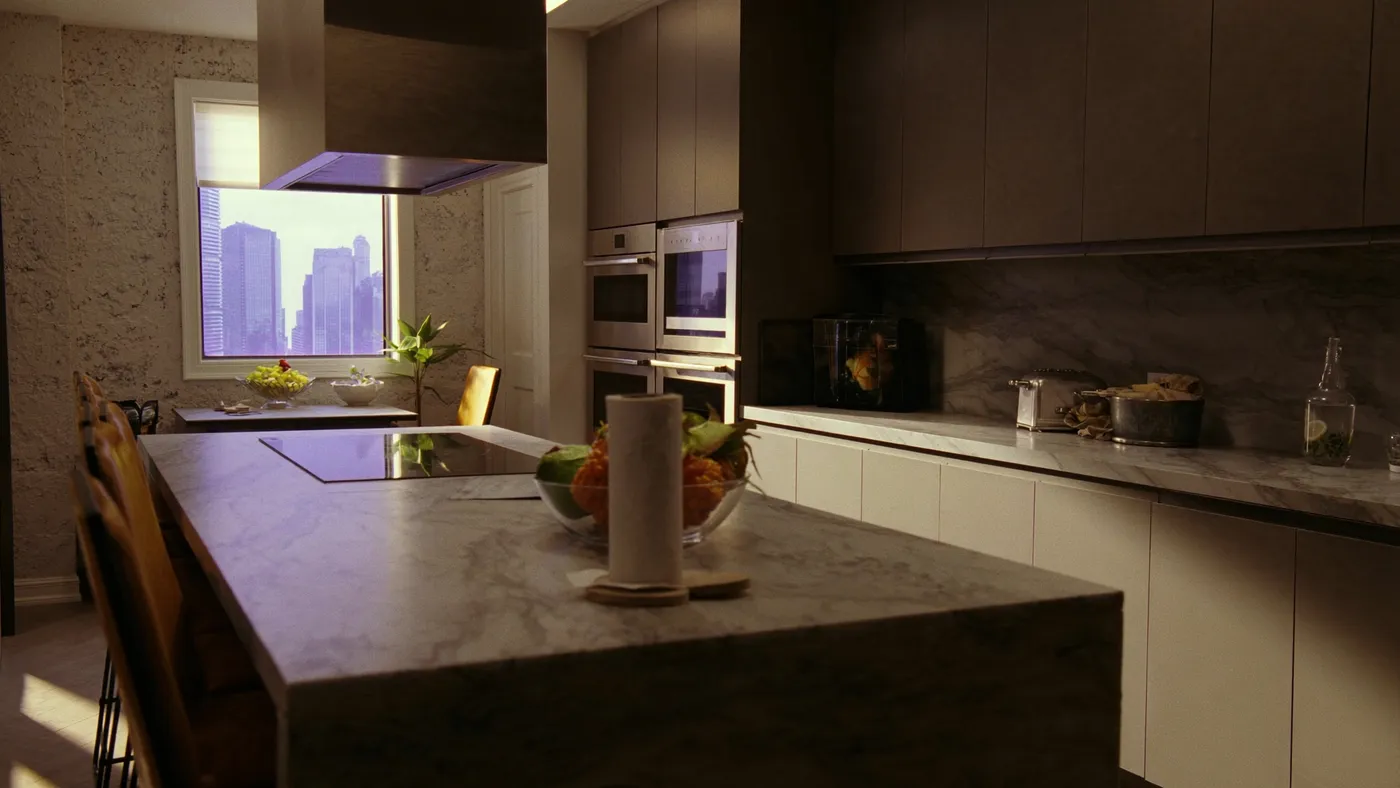
Many of our sellers no longer live in Panama. The process works identically with a special power of attorney, notarised and apostilled in your country of residence, authorising your representative to sign the deed and obtain the clearance certificates. We coordinate access, showings and keys, send you reports on the visits carried out, and present every offer in writing so you can decide remotely.
One practical note: if the apartment has been empty for a while, the broker's first visit usually surfaces items to fix — damp, leaks, stale air — and it is far better to resolve them before photography than to discover them with a buyer standing in the room.
A meaningful share of demand in Panama City's mid-to-upper segment is not local: it is Latin American investors, expatriates, and North American or European buyers. A listing published only in Spanish and only on local portals leaves that buyer out. That is why our entire catalog is published in Spanish and English, with area-specific content — Costa del Este, Punta Pacífica, Playa Coronado — and indexable property pages so a buyer searching from abroad can find your unit.
If your property is in Costa del Este, start with the owners section on that page: it is the most direct route to a valuation.
The standard commission is 5% of the sale price, payable at closing. With DG Group there is no upfront cost: if it doesn't sell, you owe nothing.
Yes. With a notarised, apostilled special power of attorney your representative signs the deed. We coordinate showings, offers and documents remotely.
Deed and finca number, property-tax clearance, utility clearances, a building certification that HOA dues are current, ID, and company documents if the property is held by a corporation.
It depends on the target buyer. For investors who will rent it out, good furnishing can speed up the sale; for a family relocating, it is usually neutral or even a nuisance.
I'll prepare a comparative market analysis based on what has actually sold in your building, plus a defensible price range. No cost, no commitment.
Message Diana on WhatsApphttps://www.panamarealestate.org/guides/how-to-sell-your-apartment-in-panama